Web applications
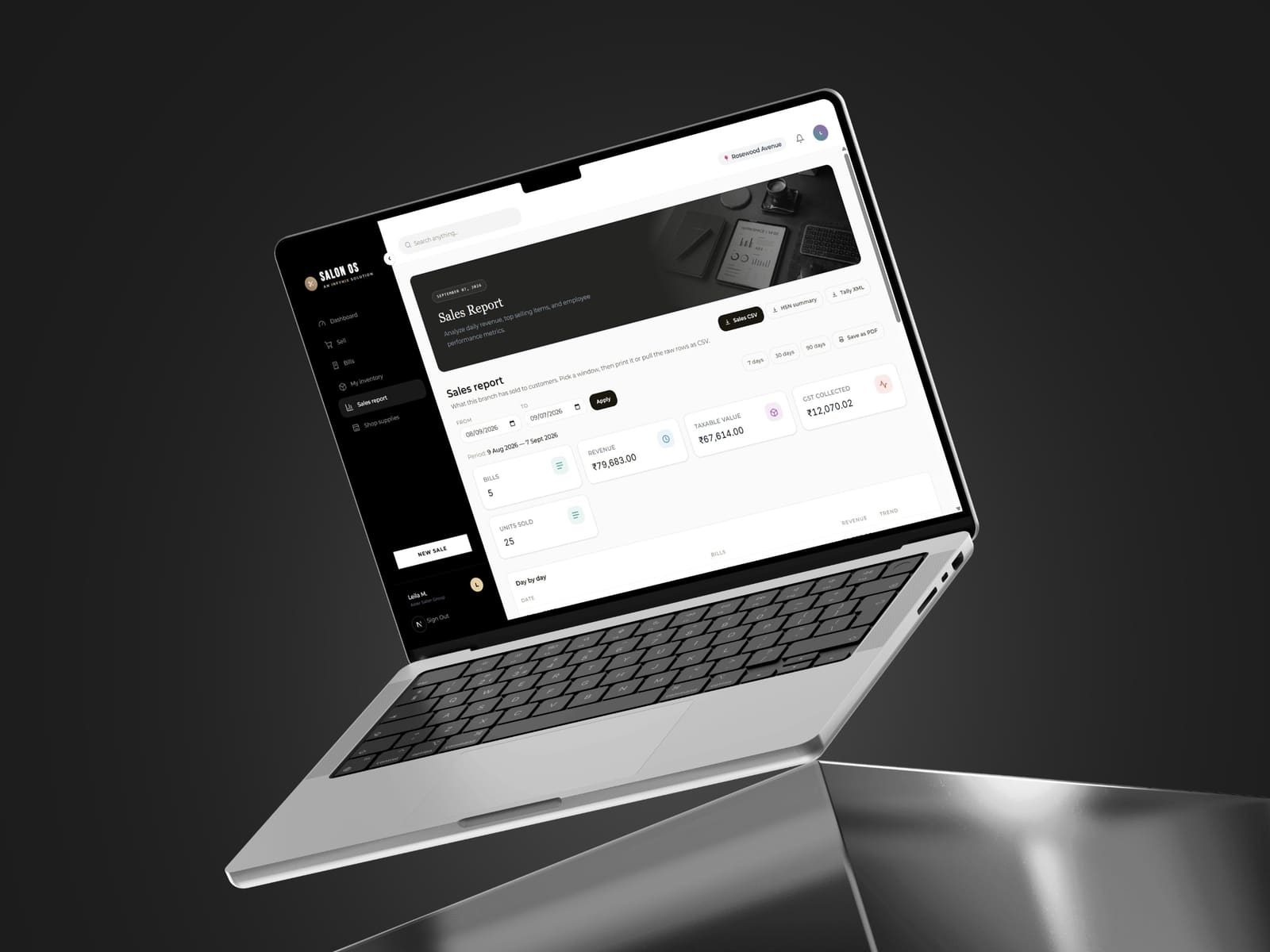
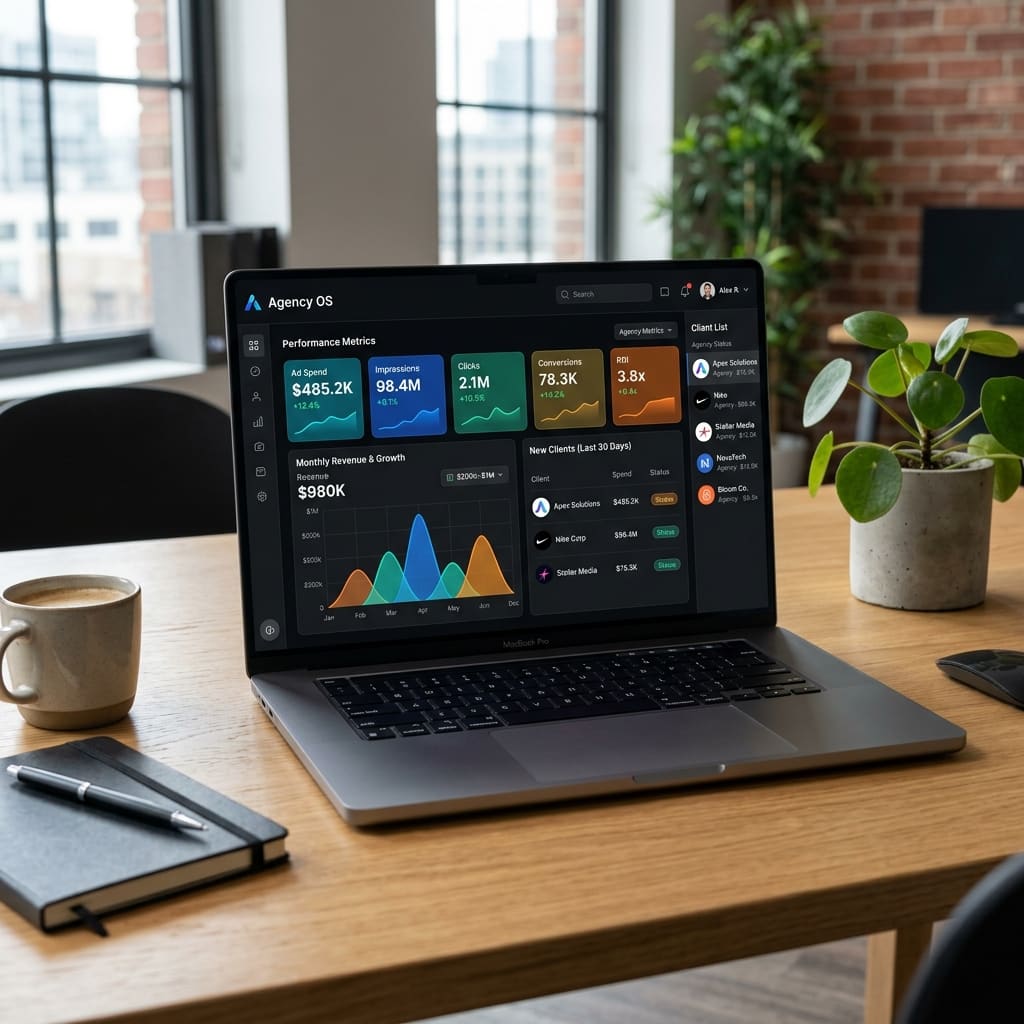
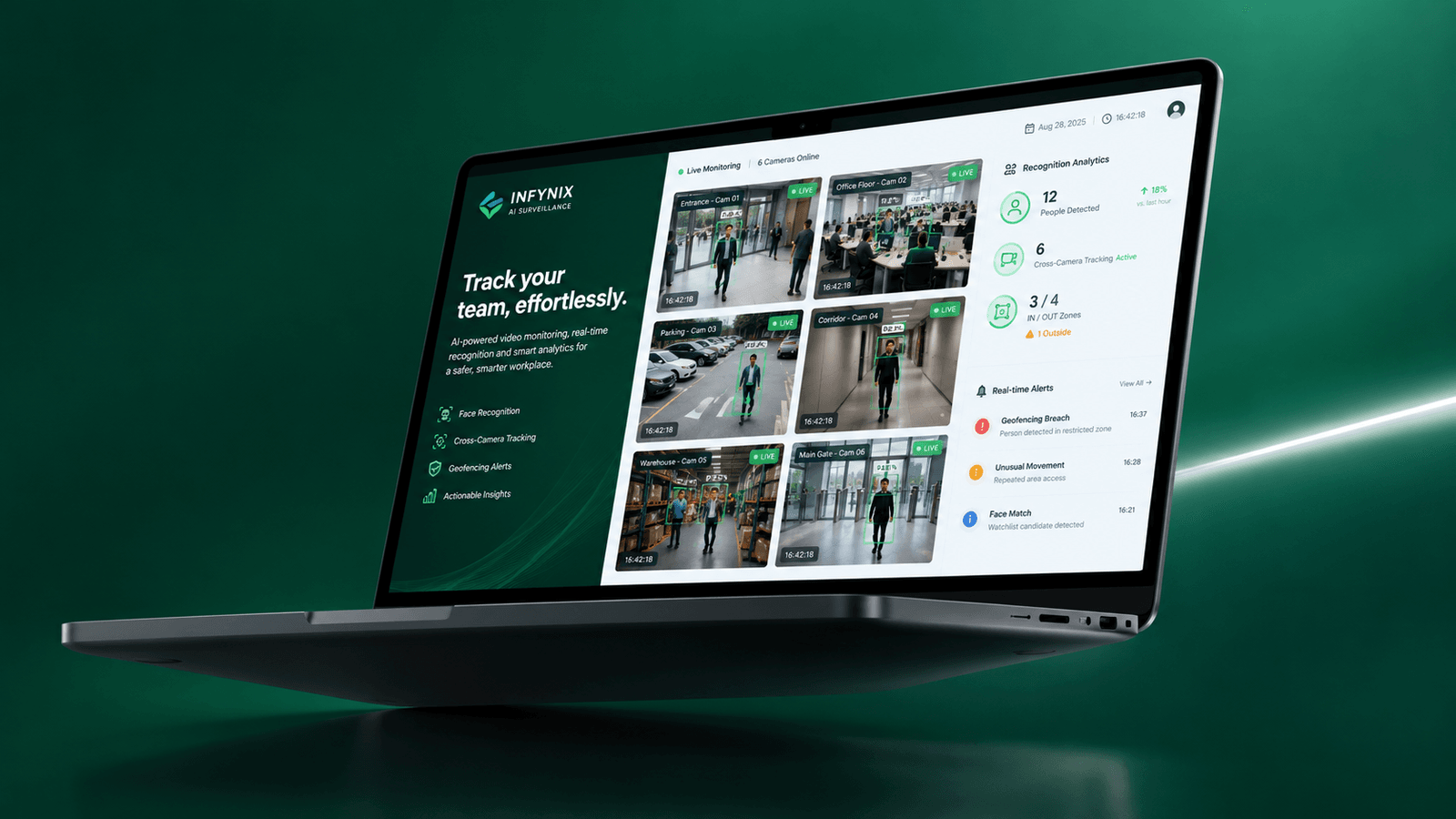
Operational systems, portals and dashboards with role-based access, document workflows and real-time views, built for scale from the first release.
Custom web software engineered in React 19 and Next.js built for your business operations. Off-the-shelf software forces teams into awkward, inefficient workarounds. Custom software should fit how you work, not the other way around.
OUR CAPABILITIES IN
Custom Web & App Development
We document features and user workflows.
We select frameworks, databases, and server specs.
We design clickable wireframes in Figma.
We build features in rapid two-week development sprints.
We test code for speed, security, and edge cases.
We launch on cloud servers with CI/CD deployment pipelines.
Custom web and app development for Kerala businesses and startups from Kochi: operational systems, portals, dashboards and products built on React, Next.js and Node.js, with the mobile apps that go with them, the integrations they depend on, and the Indian requirements designed in from the first sprint. For businesses whose process no off-the-shelf tool fits, and for products where the software is the business.
Off-the-shelf software rarely fits a growing Kerala business for long. The hospital group runs bookings in one place and records in another, the developer manages off-plan sales in spreadsheets, the distributor has a godown system that does not know what the website sold, and the startup has an MVP its first developer built that nobody wants to touch. Custom software is how the business gets a system that works the way it actually operates.
We build through a process that starts with how the business works rather than a feature list: discovery with the people who run the process, a specification and a fixed estimate, prototypes reviewed by the people who will use the screens, two-week sprints with a working demo at the end of each, rehearsed migration and on-site go-live.
We work with hospitals, real estate, trading and logistics, education, professional services, e-commerce and startups in Infopark, Technopark and Cyberpark, with engineering capacity from Kochi, the UAE and the UK.
Operational systems, portals and dashboards with role-based access, document workflows and real-time views, built for scale from the first release.
Android and iOS in React Native and Flutter, with Malayalam localisation, UPI and store compliance handled.
Documented APIs, databases, authentication and notifications on Node.js or Python, hosted in Indian regions.
GST-compliant documents, e-invoicing readiness and DPDP-aware data handling designed into the data model.
Razorpay, PhonePe, Cashfree and UPI, cash on delivery reconciled, WhatsApp Business API for notifications and conversations.
Bilingual screens with Malayalam typography that renders on a mid-range phone.
Tally, CRM, ERP, couriers, marketplaces and government portals connected so data is entered once.
Source code, infrastructure, documentation and credentials in your name.
| Engagement | Typical timeline |
|---|---|
| Discovery and technical specification | 2 to 3 weeks |
| MVP web or mobile application | 8 to 12 weeks |
| Portal or operational system | 10 to 20 weeks |
| Enterprise platform | 4 to 8 months |
| Dedicated product team | Monthly |
| Support and maintenance | Monthly |
Patient management, appointments, billing with GST where applicable, insurance and reporting across branches.
Unit inventory, booking, payment schedule tracking, K-RERA reporting and CRM integration from lead to handover.
Inventory, dispatch, tracking, proof of delivery and customer portals connected to billing and Tally.
Admissions, student records, examinations, fees with online payment and parent apps.
Product builds for KSUM-backed and Infopark companies that need a senior team, with the architecture documented for the team that follows.
Client portals, document workflows, time and billing and compliance records.
Discovery produces a specification and a fixed price. Best when the problem is understood and the scope can be agreed before code is written.
A named team working on your roadmap month to month, with sprint planning and demos. Best for products that keep evolving.
A paid two to three week engagement that produces the specification, architecture and estimate, whether or not we build it.
SLA-backed maintenance, monitoring and continuous improvement for systems we built or inherited.
Discovery takes the first two to three weeks: workshops with the people who run the process today, a map of the systems and data involved, a written specification, an architecture and a fixed estimate. Design follows, with clickable prototypes reviewed by the people who will use the screens, because the billing clerk and the store supervisor find the problems a project sponsor never sees.
Build runs in two-week sprints with a working demo at the end of each. Data migration rehearsals start early. User acceptance testing runs on staging with real data. Go-live is planned with a cutover checklist, a rollback path and the team at your premises for the first days. Support starts the day the system goes live.
Discovery, specification, architecture and fixed estimate.
Prototypes reviewed with the people who will use the system.
Two-week cycles with a working demo at the end of each.
Rehearsed cutover, on-site presence and SLA support from day one.
Many Kerala startups run on an MVP built fast by a first developer or a small agency, and it has reached the point where every new feature takes longer than the last and nobody wants to touch the payment code. The choice is not rewrite or die. It is a staged rebuild: assess what exists, stabilise what is fragile, extract the parts that are worth keeping behind clean APIs, and replace the rest module by module while the product keeps running.
We do that assessment honestly, and we document the architecture so the in-house team the company will eventually hire can inherit it.
What to keep, stabilise, extract and replace, in writing.
Modules replaced one at a time while the product runs.
The parts worth keeping wrapped so they can be replaced later.
Architecture written for the hires you have not made yet.
Every system that touches money in India sits inside GST: invoice formats, HSN and SAC codes, place of supply logic and returns that need data by rate and counterparty, with e-invoicing for businesses above the threshold. Every system that holds personal data sits inside the Digital Personal Data Protection Act: consent, purpose, data principal rights and breach notification. Retrofitting either into a live system is slow and risky.
We design for both from discovery, host in Indian cloud regions, integrate with Tally so the accountant keeps their tool, and document the data map so a compliance review finds the reasoning.
Invoices and credit notes with the required fields, and return-ready data.
IRN generation through a GSP where the business needs it.
Consent, access and erasure handled from the system.
AWS Mumbai and Hyderabad, Azure Central India, Google Cloud Mumbai.
Indian commerce runs on UPI, on cash on delivery, and on a customer who expects a WhatsApp update at every step. UPI intent flows on mobile, gateway choice between Razorpay, PayU, Cashfree and PhonePe, cash on delivery with its return rates, courier integration through Shiprocket or Delhivery, and WhatsApp Business API for every notification: each has edges that a team building for the first time discovers expensively.
We have integrated all of these and know where the edges are. The system reconciles payments and COD properly, records payment method against margin, and pushes updates to the customer over WhatsApp in Malayalam or English.
Razorpay, PayU, Cashfree, PhonePe and Paytm with UPI, cards and EMI handled.
COD orders, courier remittance and returns handled end to end.
Notifications and conversations logged against the record.
Shiprocket, Delhivery, DTDC and Blue Dart with tracking to the customer.
Infynix Solutions is registered separately in India, the United Kingdom and the United Arab Emirates. This page covers India. The same service, written for the other markets:
An MVP takes 8 to 12 weeks. A portal or operational system runs 10 to 20 weeks depending on scope and data migration. Enterprise platforms take 4 to 8 months, delivered in releases so value arrives before the final milestone.
Yes. We assess what exists, stabilise what is fragile, wrap the parts worth keeping in clean APIs and replace the rest module by module while the product keeps running, with the architecture documented for your future team.
Yes. GST-compliant documents, e-invoicing readiness and DPDP consent and rights workflows are part of the standard data model, with hosting in Indian regions.
Yes. Most builds keep Tally Prime as the ledger and feed it from the operational system, so the accountant works in the tool they know.
Yes. We build products for KSUM-backed and Infopark companies that need a senior engineering team without hiring one, on a dedicated team or fixed-scope basis, with the architecture documented so an in-house team can take over.
Yes. Bilingual interfaces with Malayalam typography that renders on a mid-range phone are standard, for staff screens as well as customer-facing ones.
You do. Source code, infrastructure, documentation and credentials are handed over in your name, and the system is built so another competent team could run it.
Yes to both. NDAs are signed before discovery, and we work alongside in-house IT, the accountant on Tally, hardware vendors and existing developers, documenting the system so any of them can understand where it fits.
Discovery can usually begin within two weeks of agreement, and the first working release is typically live within eight to twelve weeks of discovery ending.